In-situ testing forms the backbone of reliable geotechnical investigation across Gisborne, delivering direct measurements of soil and rock properties without the disturbance inherent in laboratory sampling. This category encompasses field-based methods that evaluate ground conditions in their natural state, providing engineers with the critical data needed to assess bearing capacity, settlement potential, and overall site stability. In a region where varying terrain and complex subsurface materials demand precision, in-situ techniques offer real-time insights that laboratory tests alone cannot replicate.
Gisborne's geological setting presents unique challenges that make comprehensive in-situ assessment indispensable. The area features a mix of alluvial deposits from the Waipaoa River system, volcanic-derived soils from past eruptions, and soft marine sediments along the coastal fringe. These materials can vary dramatically over short distances, with lenses of compressible clays, loose sands susceptible to liquefaction, and weathered bedrock creating unpredictable foundation conditions. The region's history of seismic activity, including the 2007 Gisborne earthquake and proximity to the Hikurangi subduction zone, further underscores the need for accurate field measurements of soil density, strength, and dynamic response.
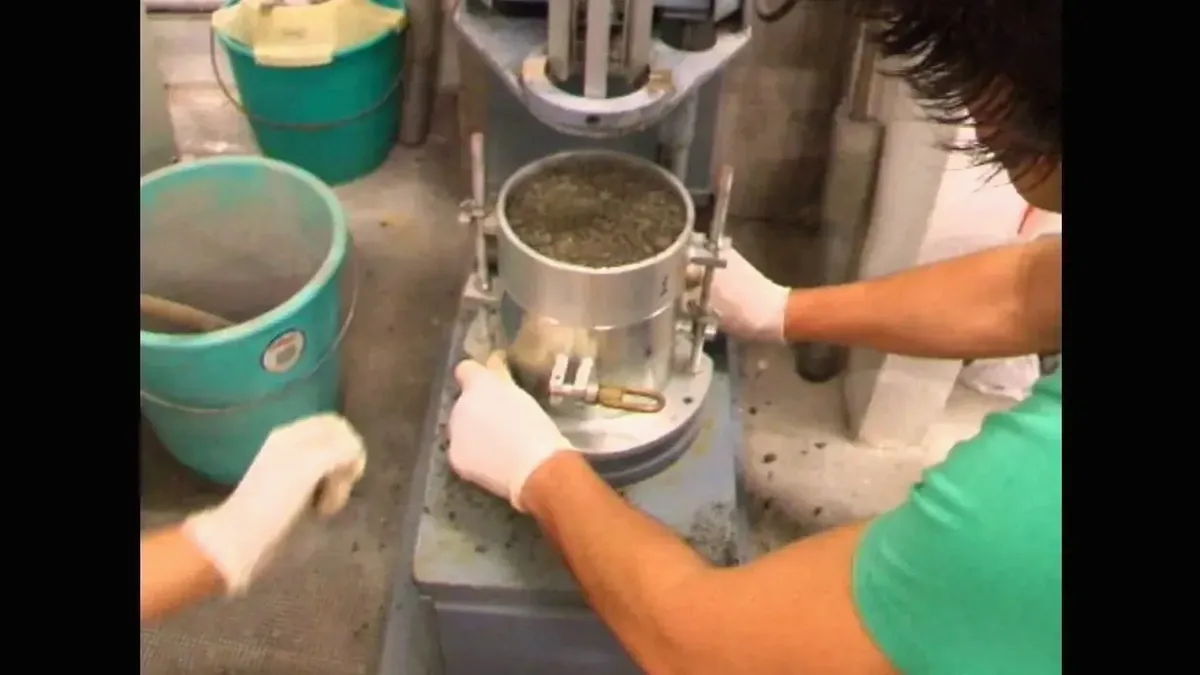
New Zealand's regulatory framework, particularly NZS 4402 and the New Zealand Building Code Clause B1, governs geotechnical investigations nationwide and applies directly to Gisborne projects. The NZGS guidelines for field testing establish minimum standards for methods like the field density test (sand cone method), ensuring consistency in compaction verification for engineered fills and roading materials. Compliance with these standards is mandatory for territorial authority consenting through Gisborne District Council, especially for earthworks exceeding specified thresholds or structures classified as Importance Level 2 and above.
Projects requiring in-situ testing throughout the Tairāwhiti region span residential subdivisions on sloping sites, commercial developments in the CBD, and infrastructure upgrades including State Highway 35 improvements. Vineyard expansions on the Poverty Bay flats necessitate rigorous compaction testing to support processing facilities, while coastal protection works demand shear strength profiling through methods such as vane shear testing. The sand cone density test remains particularly vital for verifying fill placement beneath building pads, pipe bedding, and retaining wall backfill, where inadequate compaction could lead to differential settlement or structural distress over time.
Available services
Quick answers
What is in-situ testing and why is it preferred over laboratory testing for some geotechnical investigations?
In-situ testing evaluates soil and rock properties directly in the ground without removing samples, preserving natural stress states, moisture conditions, and fabric. This approach is preferred when sampling disturbs sensitive materials like soft clays or loose sands common in Gisborne, as laboratory tests on disturbed specimens may underestimate settlement or overestimate strength, leading to unconservative foundation designs.
Which in-situ testing methods are most commonly used in Gisborne for residential and commercial projects?
Common methods include the Scala penetrometer for rapid strength profiling, hand shear vane testing for cohesive soils, and sand cone density tests for compaction verification. For larger developments, cone penetration testing (CPT) provides continuous stratigraphic profiling, while seismic dilatometer testing assesses liquefaction potential, particularly relevant given Gisborne's seismic setting near the Hikurangi subduction margin.
How do New Zealand standards regulate in-situ testing procedures and reporting for Gisborne projects?
NZS 4402 sets out detailed procedures for field density and strength tests, while NZGS guidelines provide interpretive frameworks. Gisborne District Council requires testing reports to demonstrate compliance with NZ Building Code Clause B1, with results presented in accordance with NZGS soil description standards and signed off by a Chartered Professional Engineer for consent applications.
When is field density testing using the sand cone method required during construction in Gisborne?
Field density testing is mandated for engineered fills under building pads, road subgrades, trench backfill, and retaining wall drainage zones. Testing frequency typically follows NZS 4431 guidelines, with minimum one test per 300mm lift per 500 square metres, though tighter frequencies apply for structural fill beneath Importance Level 3 buildings or in areas with known compressible soils.